
Nuts & Seeds
Home / Nuts & Seeds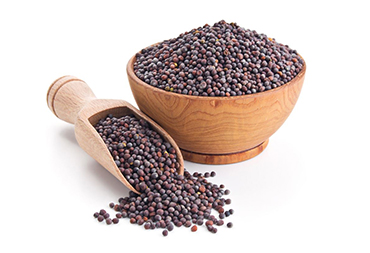
Musterd Seeds
Mustard seeds are the small round seeds of various mustard plants. The seeds are usually about 1 to 2 millimetres in diameter and may be colored from yellowish white to black.

Pumpkin Seeds
A pumpkin seed, also known in North America as a pepita, is the edible seed of a pumpkin or certain other cultivars of squash. The seeds are typically flat and asymmetrically oval, have a white outer husk, and are light green in color after the husk is removed.
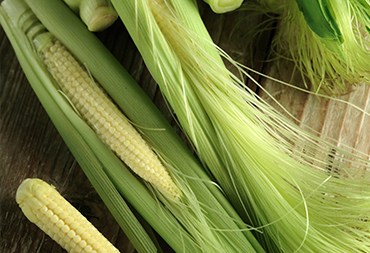
Baby Corn
Baby corn is a cereal grain taken from corn harvested early while the stalks are still small and immature. It typically is eaten whole – cob included – in contrast to mature corn, whose cob is too tough for human consumption.
Popply
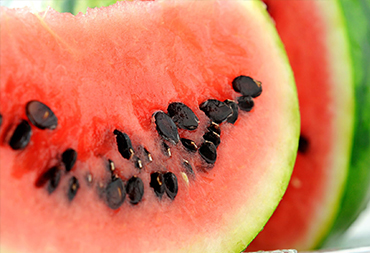
Watermelon Seeds
Watermelon seed oil is extracted by pressing from the seeds of the Citrullus lanatus. It is particularly common in West Africa, where it is also called ootanga oil or kalahari oil.
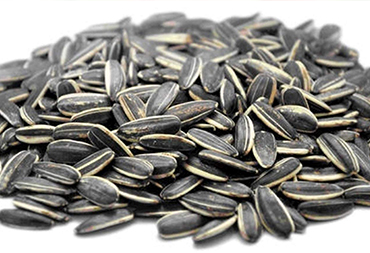
Sunflower Seeds
The sunflower seed is the fruit of the sunflower. There are three types of commonly used sunflower seeds: linoleic, high oleic, and sunflower oil seeds. Each variety has its own unique levels of monounsaturated, saturated, and polyunsaturated fats. The information in this article refers mainly to the linoleic variety.

Casio Nuts
The cashew tree is a tropical evergreen tree that produces the cashew seed and the cashew apple. It can grow as high as 14 m, but the dwarf cashew, growing up to 6 m, has proved more profitable, with earlier maturity and higher yields.
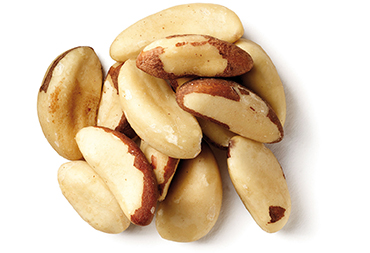
Brazil Nuts
The Brazil nut is a South American tree in the family Lecythidaceae, and is also the name of the tree's commercially harvested edible seeds. It is one of the largest and long-lived trees in the Amazon rainforest.